



08 Sep September Is National Gum Care Month: A Sugar Land Guide to Healthy Gums
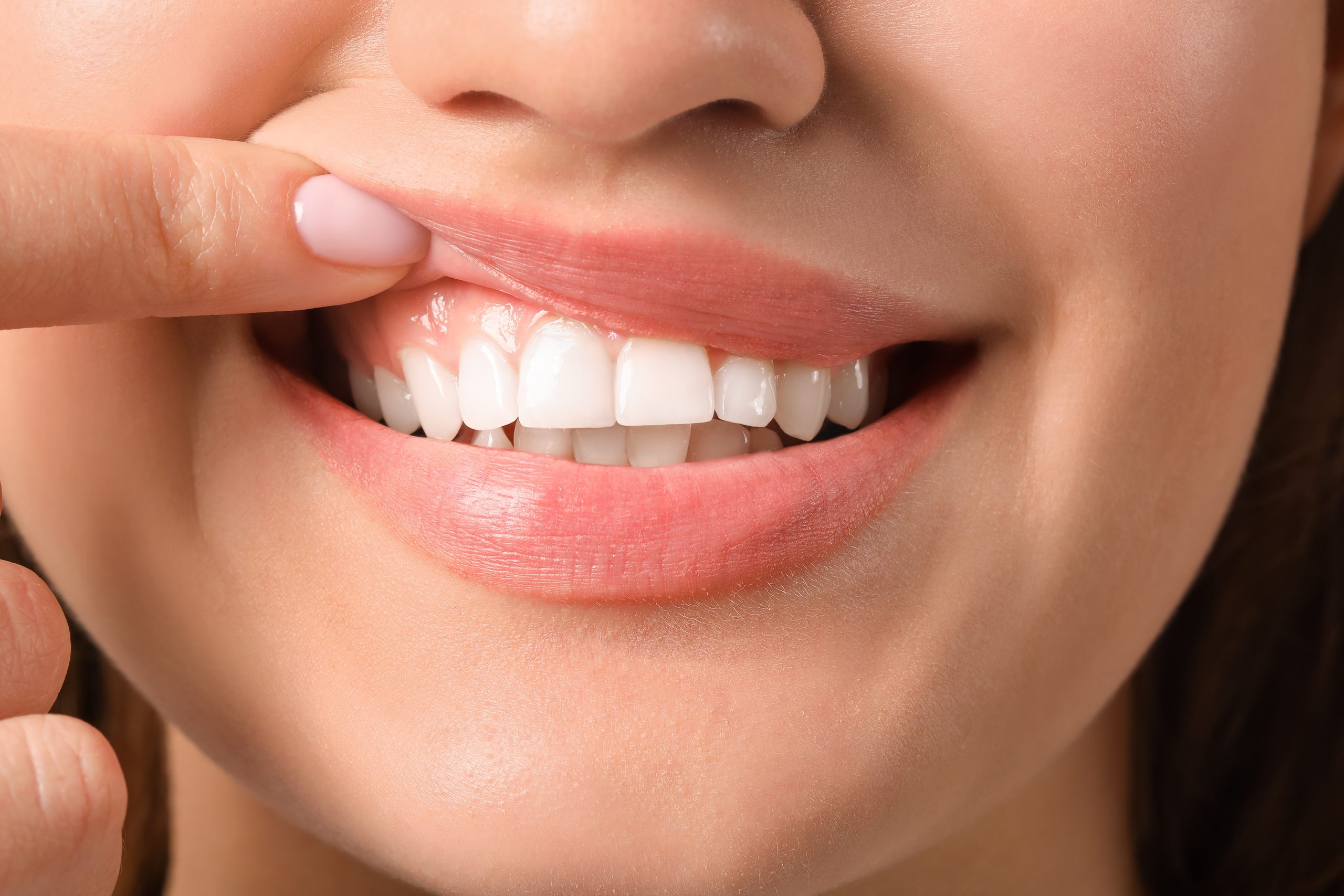
September is National Gum Care Month, which makes it the perfect time to give your gums the attention they deserve. At Imperial Dental Center in Sugar Land, we see it all the time: patients work hard to keep their teeth white and cavity free, but they rarely think about the gum tissue that holds everything in place. Healthy gums are the foundation of a healthy smile, and caring for them is one of the simplest, most powerful things you can do for your long term oral health. The American Academy of Periodontology uses September to raise awareness about gum disease, so let us walk through what every adult should know.
Why Your Gums Deserve More Attention
Gum disease is far more common than most people realize. According to the Centers for Disease Control and Prevention, nearly half of adults age 30 and older show signs of gum disease, and that number climbs to about 70 percent among adults 65 and older. What makes it tricky is that it often develops quietly, with few obvious symptoms in the early stages.
Your gums do more than frame your smile. They seal out bacteria and support the bone that anchors your teeth. When gum tissue becomes inflamed and is left untreated, it can lead to receding gums, loose teeth, and eventually tooth loss. Research has also connected gum health to your overall health, with links between gum disease and heart disease as well as diabetes.
Warning Signs You Should Not Ignore
Gum disease is easiest to treat when you catch it early. Pay attention if you notice any of these:
- Bleeding gums. Gums that bleed when you brush or floss are one of the earliest and most common signs. Learn more about the common causes of bleeding gums.
- Red, swollen, or tender gums instead of firm and pink tissue.
- Persistent bad breath or a bad taste that does not go away with brushing.
- Receding gums that pull away from the teeth and make them look longer.
- Loose or sensitive teeth, especially near the gum line.
If any of these sound familiar, it is worth getting checked. Many patients are also surprised to learn that brushing too hard can harm the gums rather than help them.
The Good News: Early Gum Disease Is Reversible
Here is the encouraging part. The earliest stage of gum disease, called gingivitis, is usually reversible with good home care and a professional cleaning. At this stage the gums are inflamed but the bone has not yet been affected. Once it progresses into periodontal disease, the damage to bone and tissue becomes much harder to undo, though it can still be managed. Understanding how gingivitis turns into gum disease is the key to stopping it in its tracks.
Simple Ways to Care for Your Gums
Caring for your gums does not require anything complicated. A few consistent habits make all the difference:
- Brush twice a day with a soft bristled brush, using gentle circles along the gum line rather than hard scrubbing.
- Floss once a day to clean the spaces between teeth where a brush cannot reach.
- Stay hydrated and rinse with water to help wash away food and bacteria.
- Avoid tobacco, which is one of the biggest risk factors for gum disease.
- Keep up with professional cleanings, which remove the hardened plaque that brushing alone cannot.
Your dental hygiene routine at home matters, but regular visits are what catch problems before they become serious.
Make Gum Care Month the Month You Book Your Visit
National Gum Care Month is a great reminder, but healthy gums are a year round commitment. If it has been more than six months since your last cleaning, September is the perfect time to change that. Our team at Imperial Dental Center in Sugar Land is here to help you keep your gums, and your whole smile, healthy for the long haul. Schedule your visit today.
FAQs
Q. Is it normal for my gums to bleed when I floss?
A little bleeding when you first start a new flossing routine can happen, but gums that bleed regularly are usually a sign of early gum disease, not something to brush off. The good news is that with consistent care and a professional cleaning, mild inflammation often clears up. If the bleeding continues, it is worth having your gums checked.
Q. Can gum disease be reversed?
The earliest stage, gingivitis, can usually be reversed with improved home care and a dental cleaning. Once gum disease advances to periodontitis, it affects the bone and tissue that support your teeth, so it can be managed and slowed but not fully reversed. That is why catching it early makes such a difference.
Q. How often should I see a dentist for healthy gums?
Most adults do well with a checkup and cleaning every six months. If you have a history of gum disease or other risk factors, your dentist may recommend more frequent visits to keep things under control.
Q. Can gum problems affect the rest of my body?
Yes. Research has linked gum disease to conditions such as heart disease and diabetes. Keeping your gums healthy is not only good for your smile, it supports your overall health too.

Dr. Dragana Angelova
Imperial Dental Center
“We love to see you smile”